


 Newsletter signup



Clyde Peatlands spotlight
Hardridge - peatland restoration case study
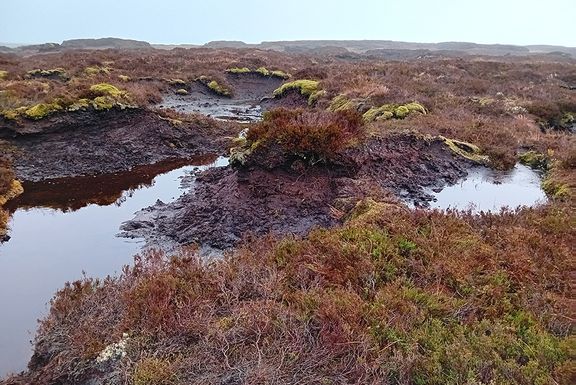
A massive 950 hectares of peatland, roughly half the size of Paisley or equivalent to 1350 football pitches, has been successfully restored at Duchal Moor in Inverclyde.
The project, part of the Glasgow City Region (GCR) Green Network’s Clyde Peatlands initiative, took a full three years to complete and grew beyond its intended restoration of 788 hectares, making a significant contribution to nature restoration and climate mitigation in the region.
Bringing benefits to people, climate and nature
Healthy, functioning peatlands can help mitigate the anticipated impacts of climate change such as increased rainfall events by storing and slowly releasing water back into the river network. They are also home to an array of plants, fungi, invertebrates and microorganisms making them an incredibly unique and biodiverse habitat.
By restoring Duchal Moor, the restoration is delivering benefits that extend far beyond the site itself.
The restored peatland will:
Store carbon more effectively and help reduce greenhouse gas emissions
Slow the flow of water during heavy rainfall, helping improve downstream flood resilience
Improve water retention across the landscape during increasingly dry periods
Support the return of important peatland plants, fungi, insects and birdlife
Create a healthier and more resilient upland ecosystem for future generations
Restoration techniques
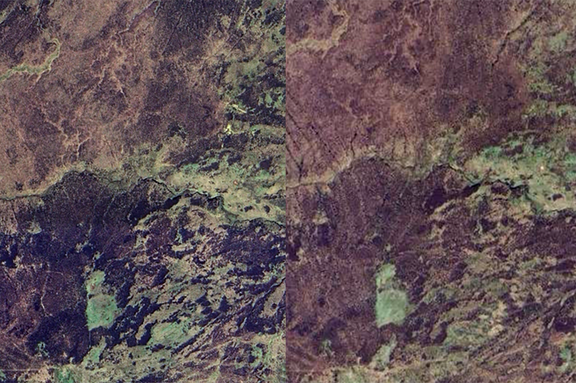
A diverse range of restoration techniques were used across the site, tailored to the varied and often challenging terrain which included hag and gully reprofiling, and wave damming – or blocking – of drained areas to encourage peatland species to recolonise. Some of the work was completed by hand in the most degraded and difficult areas. Together, these methods will help stabilising the peat, improving hydrology, and will set the moor on a long‑term path to recovery.
Farmer praise for restoration
The restoration work has also delivered practical day-to-day improvements for the tenant farmer managing the land. By rewetting and stabilising degraded areas of the moor, the site is now safer and easier to navigate, particularly when moving across the landscape using ATVs (All-Terrain Vehicles).
Key benefits highlighted by the farmer include:
Easier travel and access across the moor
Improved ability to gather and manage sheep
Reduced risk of sheep and lamb injuries caused by open drainage channels
Increased availability of surface water for livestock during dry weather
A more stable and manageable landscape overall
The project demonstrates how peatland restoration can support both environmental recovery and sustainable land management, creating benefits for nature, climate and rural livelihoods.
Recognition of success
The Duchal Moor project was recognised with a COSLA Excellence Award in 2024 for Just Transition to a Net Zero Economy for Inverclyde Council. The project was led by the GCR Green Network’s Clyde Peatland initiative in partnership with Inverclyde Council and funded through NatureScot’s Peatland ACTION programme.
The Duchal Moor project remains one of the largest peatland restoration efforts delivered in the region to date and will serve as best practice for peatland restoration efforts across the rest of the region.

Clyde Peatlands brochure
Learn more about our Clyde Peatlands project here.
Featured News
Colourful "ambassador corridors" to be created across the M8
Vibrant new wildflower meadows are set to bloom along the M8 motorway network, creating new habitat connectivity for wildlife, with an initial ‘pilot...
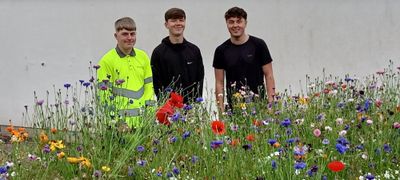
Spectacular grasslands in Inverclyde
As our understanding of the importance of grassland habitats has grown in recent years, local authorities have adapted and changed the way they create...

Boost for biodiversity this Glasgow Climate Week
The Scottish Government have declared both climate and nature emergencies. Despite this, a recent


Newsletter Signup
Learn more about GCR Green Network! You can be the first the hear about our latest news.